
PHSE, Citizenship and RSHE
At Birch Hill Primary School, we believe that PSHE and RHSE are fundamental to ensuring that children develop the knowledge, skills and attributes needed to thrive as healthy, safe, respectful and responsible members of society.
Through our curriculum, pupils learn how to build positive relationships, manage their physical and mental wellbeing, stay safe both online and offline, celebrate diversity and make informed decisions throughout their lives.
We use the Jigsaw programme to provide a progressive and engaging curriculum that integrates PSHE, emotional literacy, wellbeing, mindfulness and social development. The curriculum reflects statutory Relationships Education and Health Education requirements and supports our commitment to Safeguarding and Personal Development.
Our school Golden Rules and MOTTO underpin all aspects of learning: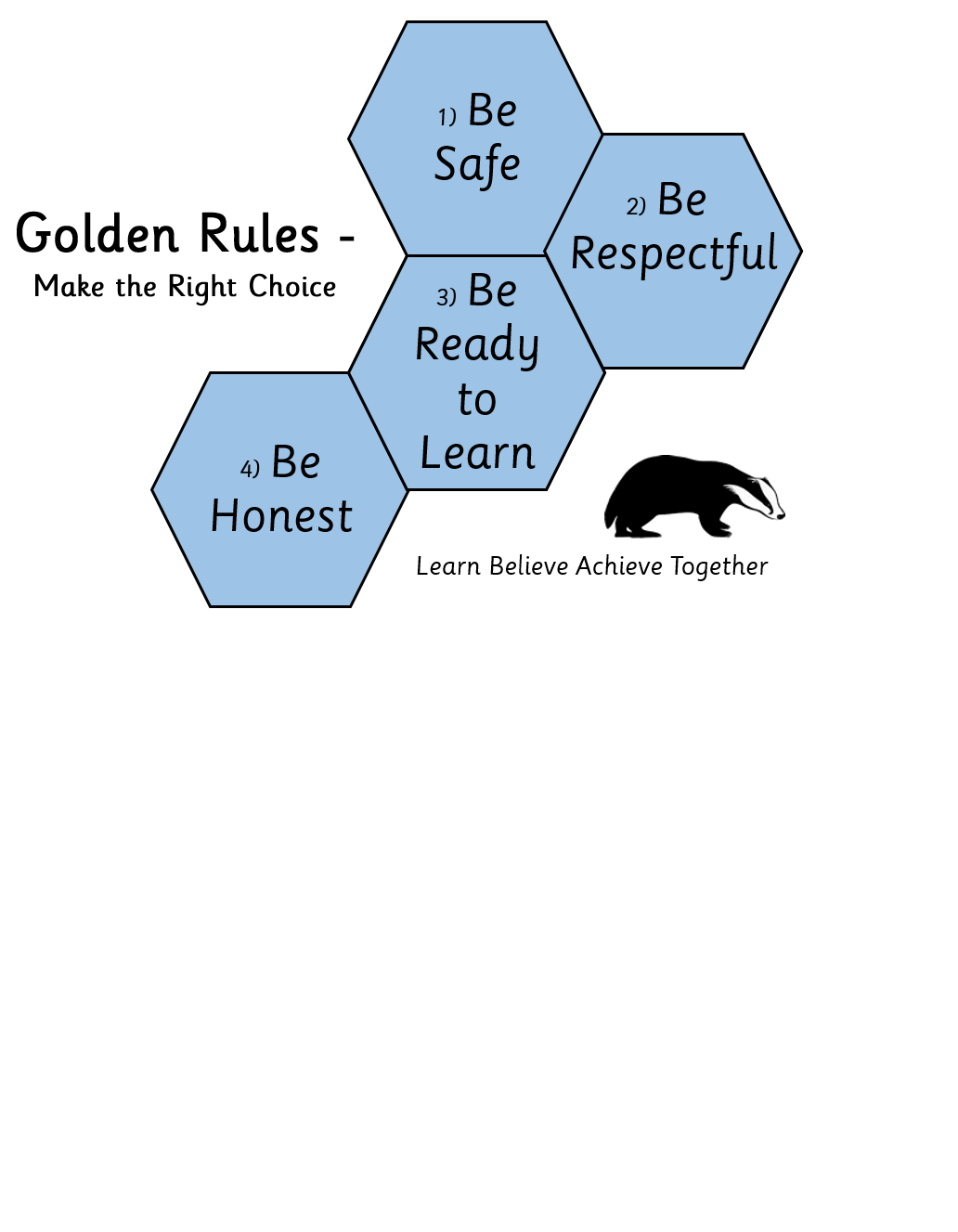
- Be Safe
- Be Respectful
- Be Ready to Learn
- Be Honest
These values help children develop resilience, empathy, responsibility and respect for themselves and others.
Implementation
PSHE and RHSE are taught through dedicated lessons and reinforced through assemblies, enrichment activities, educational visits and everyday school life.
Using the Jigsaw programme, pupils explore six key themes:
- Being Me in My World
- Celebrating Difference
- Dreams and Goals
- Healthy Me
- Relationships
- Changing Me
Children are encouraged to participate actively through:
- Discussion and debate
- Circle time
- Reflection and mindfulness activities
- Role play
- Collaborative learning
- Problem solving and decision making tasks
Learning is carefully sequenced to ensure that knowledge and understanding build progressively throughout the school.
Relationships and Health Education
Our Relationships and Health Education curriculum helps pupils to:
- Build healthy and respectful relationships.
- Understand friendships and family relationships.
- Recognise and respect personal boundaries.
- Develop emotional literacy and self-awareness.
- Understand physical and emotional changes as they grow.
- Know where and how to seek help when needed.
Lessons are delivered sensitively and appropriately for each age group and support pupils in developing confidence, respect and responsibility.
Safeguarding and Online Safety
Keeping children safe is central to our curriculum. Through PSHE, RHSE, Computing and wider safeguarding education, pupils learn:
- How to stay safe online.
- How to build positive digital relationships.
- How to recognise online risks.
- The importance of privacy and protecting personal information.
- How to report concerns and seek support from trusted adults.
Children are taught to recognise unsafe situations, understand healthy boundaries and know how to access help should they ever need it. This learning supports our wider safeguarding culture and reflects current statutory guidance.
Mental Health and Wellbeing
We place a strong emphasis on supporting positive mental health and emotional wellbeing.
Pupils learn to:
- Recognise and manage emotions.
- Build resilience and self-esteem.
- Develop strategies to support their wellbeing.
- Understand the importance of healthy lifestyles.
- Know when and how to seek support for themselves or others.
Citizenship and British Values
Through PSHE, children develop an understanding of:
- Democracy
- Individual liberty
- Mutual respect
- Tolerance of different faiths and beliefs
Pupils learn about their rights and responsibilities within school and the wider community, preparing them to become active, responsible citizens in modern Britain.
Children are encouraged to contribute positively through fundraising activities, community projects, leadership opportunities and participation in national events and celebrations.
Enrichment and Community Links
Pupils benefit from learning opportunities provided by a range of visitors and organisations, including:
- Community Police
- Fire Service
- Road Safety teams
- Bikeability instructors
- Health professionals
- Charitable organisations
- Faith and community groups
These experiences help children apply their learning to real-life situations and deepen their understanding of the world around them.
Impact
The impact of our PSHE and RHSE curriculum is that pupils develop the knowledge, skills and attributes needed to thrive as healthy, safe, respectful and responsible members of society. Through a carefully planned and progressive curriculum, children build their understanding of relationships, wellbeing, citizenship and personal safety, enabling them to make informed decisions throughout their lives.
By the end of Year 6, pupils are able to:
- Understand how to maintain positive physical and mental health.
- Build and sustain healthy, respectful relationships.
- Recognise and manage their emotions effectively.
- Demonstrate empathy, kindness and respect towards others.
- Understand and celebrate diversity, equality and inclusion.
- Know how to stay safe both online and offline.
- Recognise risks and understand how and where to seek help when needed.
- Make informed, responsible decisions and understand the consequences of their actions.
- Understand their rights, responsibilities and role within their community and wider society.
- Demonstrate the confidence, resilience and independence needed for the transition to secondary school.
We measure the impact of our PSHE and RHSE curriculum through:
- Teacher assessment and observation during lessons.
- Pupil discussions, reflection activities and pupil voice.
- Monitoring of pupils' understanding and application of learning in everyday school life.
- Evaluation of behaviour, attitudes, wellbeing and personal development.
- Participation in leadership opportunities, community activities and enrichment experiences.
- Subject leader monitoring, including lesson visits, curriculum reviews and pupil feedback.
As a result, pupils leave Birch Hill Primary School as confident, respectful and responsible individuals who are well prepared for the opportunities, responsibilities and challenges of life in modern Britain. They understand how to keep themselves safe, maintain positive relationships, support their own wellbeing and contribute positively to their communities.